Forms & Paperwork
Do I Need to File Form FL-160 (Property Declaration)?
Quick answer
You do not strictly need to file Form FL-160 if you list all your property directly on your initial Petition (FL-100), or if you use the more comprehensive FL-142 for your financial disclosures. However, the FL-160 is highly recommended — and sometimes required — if you are pursuing a "default" divorce where your spouse does not respond.
When you start navigating the California divorce forms, you will quickly notice that the court asks for your financial information multiple times, in multiple different ways. For the complete list of California divorce forms, see our master checklist.
Form FL-160 (Property Declaration) is a two-page form where you list your assets and debts. Many people get confused because it looks very similar to the FL-142 Schedule of Assets and Debts.
What Is the FL-160?
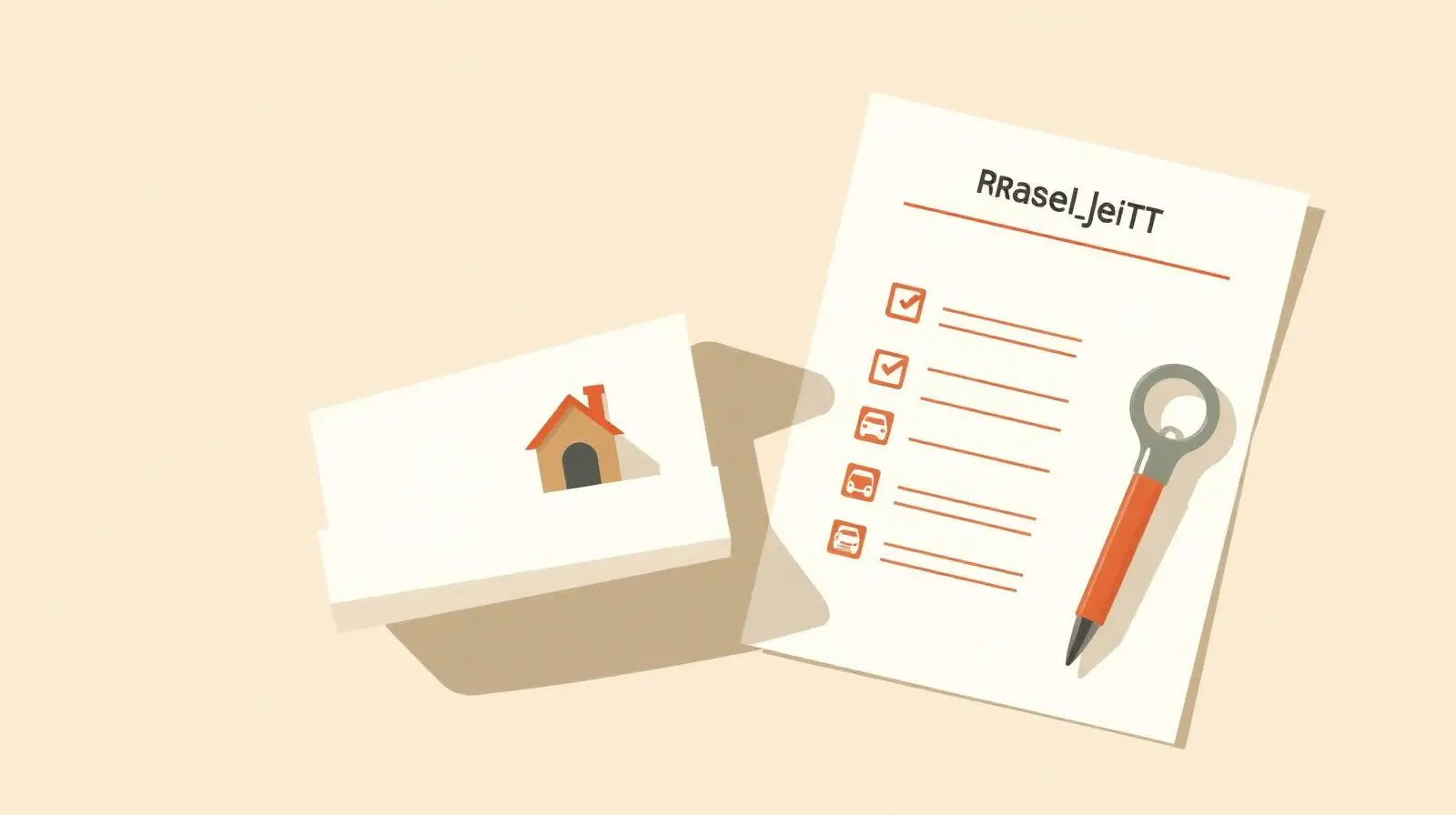
The FL-160 is a standardized checklist. It asks you to categorize your property (real estate, vehicles, bank accounts, retirement funds) and provide the current value and the debt owed on each item.
You actually have to fill out two separate FL-160 forms if you use it:
- One FL-160 for your Community Property (assets acquired during the marriage).
- A second FL-160 for your Separate Property (assets acquired before marriage or via inheritance).
When You DO NOT Need the FL-160
1. You Listed Everything on the FL-100
When you fill out your initial Petition (FL-100), Sections 9 and 10 ask you to list your separate and community property. If your estate is very simple, you can type those items directly into the text boxes on the FL-100 and skip the FL-160.
2. You Use the FL-142 for Disclosures
During the mandatory financial disclosure phase, you have a choice: you can use the FL-160, or you can use the FL-142. The FL-142 is much more comprehensive and explicitly requires you to attach bank statements and deeds. Most family law professionals recommend the FL-142 because it provides a stronger liability shield against future claims that you hid assets.
When You MUST Use the FL-160
There is one specific scenario where the FL-160 is absolutely mandatory: The True Default Divorce.
If you serve your spouse with the divorce papers and they ignore them for 30 days, you can ask the court to proceed without them. Because your spouse never responded, there is no Marital Settlement Agreement. In this scenario, California law requires you to file a completed FL-160 with your final judgment packet. The judge will use your FL-160 to write the final court order dividing the assets.
Crucial Rule: In a default divorce, the judge cannot give you more property than you originally asked for in your Petition. Your final FL-160 must match exactly what you listed in your initial paperwork.
Not sure which property form your case needs? Start your California divorce packet and we'll select the right disclosure form for your situation.
Frequently asked questions
Do I file the FL-160 with the court?
What if I don't know the exact value of my property yet?
Is the FL-160 easier than the FL-142?
DivorceFastCA provides self-directed document preparation services at your specific direction. We are not a law firm and cannot provide legal advice. If you have complex assets, business interests, or a contested custody dispute, consult a licensed California family law attorney.