Special Circumstances
How to Change Your Last Name After Divorce in California
Quick answer
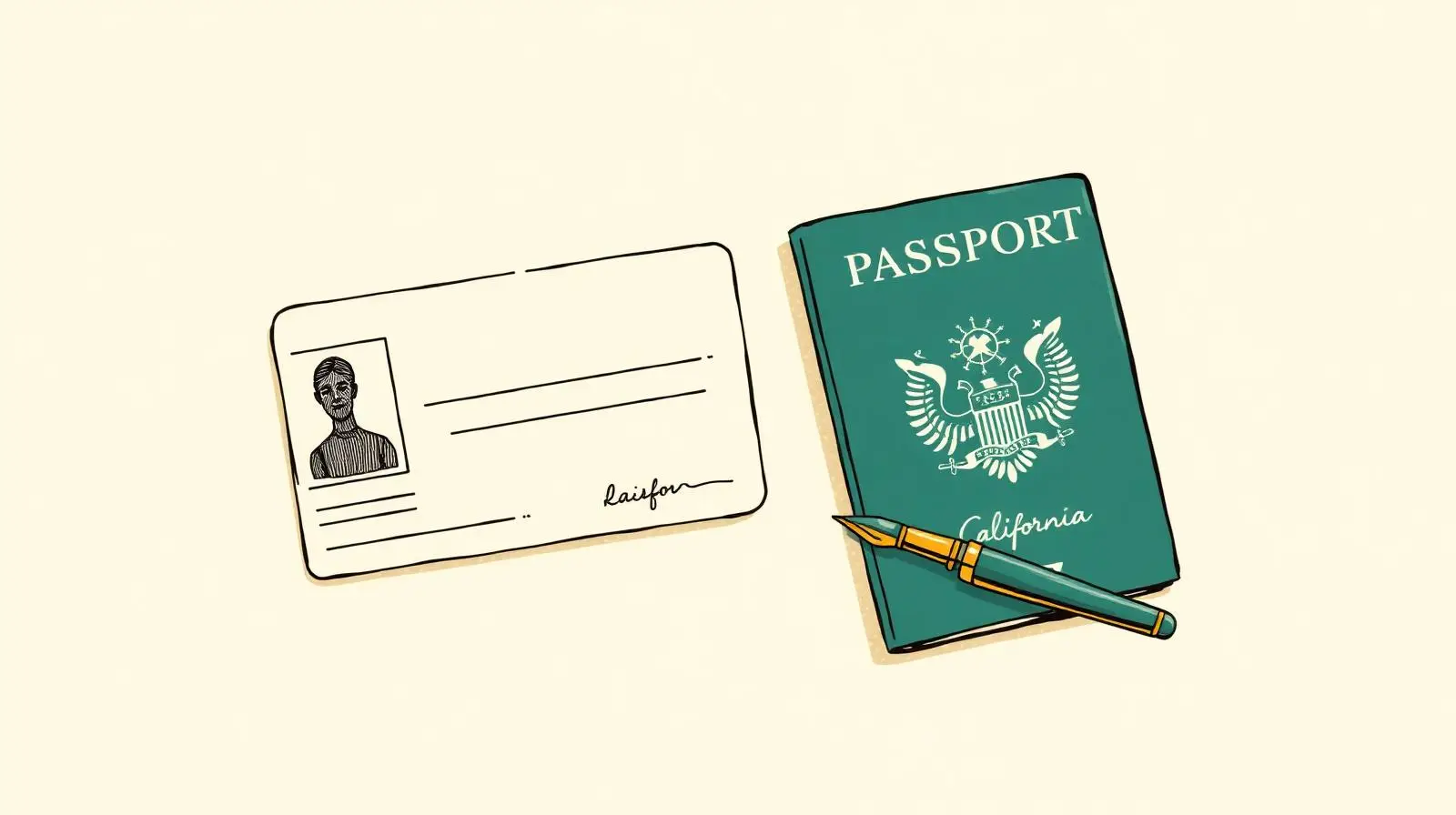
The easiest way to change your name is to request it during your divorce. Check the name change box on your Petition (FL-100) or Response (FL-120), and the judge will include the order in your final Judgment (FL-180). You can then use a certified copy of that Judgment to update your Social Security card, driver's license, and passport.
Reclaiming your former name is a powerful step in moving forward after a divorce. In California, the law makes it incredibly easy to restore your former name — as long as you do it as part of your divorce process. If you wait until after the divorce is finalized, the process becomes more complicated and expensive.
Here is the exact step-by-step process for changing your name during and after a California divorce.
Option 1: Changing Your Name During the Divorce (The Easy Way)
Step 1: Request It on Your Forms
If you are the one starting the divorce, check the box on page 2, section 12 of your Petition (Form FL-100) that says "Restore former name." Write the exact name you want restored.
If your spouse filed first, you can make the same request on your Response (Form FL-120).
Step 2: Ensure It Is in the Final Judgment
When it's time to finalize the divorce, ensure your requested name change is written into the Judgment (Form FL-180). When the judge signs the FL-180, your name change becomes a legally binding court order.
Step 3: Get Certified Copies
Once the court clerk mails you your finalized Judgment, go to the courthouse and buy Certified Copies. A regular photocopy will not work. The DMV and Social Security Administration require a certified copy with the court's official seal.
Option 2: Changing Your Name After the Divorce Is Final
If your divorce is already finalized and you forgot to ask for a name change, you do not have to file a brand new civil name change lawsuit. California provides a streamlined form specifically for this situation.
Step 1: File Form FL-395
Complete an Ex Parte Application for Restoration of Former Name After Entry of Judgment and Order (Form FL-395).
Step 2: Submit to the Court
Take the completed FL-395 to the same courthouse where your divorce was finalized. You will pay a filing fee (usually around $20 to $40, depending on the county).
Step 3: Get the Judge's Signature
Because it is an Ex Parte application, you usually do not have to see a judge. The clerk routes the form to the judge's chambers. Once the judge signs it, you can purchase your certified copies.
What Names Can You Choose?
Under California law, a divorce court can only restore a name you have legally held in the past. You can ask the court to restore your birth name (maiden name) or a former married name from a previous marriage.
You cannot use a divorce to change your name to something entirely new. If your birth name was Smith, and your married name was Jones, you cannot ask the divorce court to change your name to Taylor. For a brand new name, you must file a formal Civil Name Change petition, which requires a $435 filing fee, fingerprinting, and a newspaper publication.
How to Update Your ID and Documents
Once you have your certified court order, you must manually update your identity documents in this specific order:
- Social Security Administration: Start here. File Form SS-5 in person with your certified court order and current ID.
- California DMV: Wait 48 hours after updating Social Security so the databases sync. Then visit the DMV with your certified court order for a new driver's license.
- U.S. Passport: Submit a passport renewal application with your certified court order.
- Everything else: Bank accounts, credit cards, employer payroll, voter registration.
Most clients miss the name change box entirely on their first pass. Our packet asks you up front and writes it straight into the FL-100 and FL-180. Start your California divorce here.
Frequently asked questions
Can I force my ex-spouse to drop my last name?
Does changing my name affect child custody rights?
Can I change my children's last names during the divorce?
DivorceFastCA provides self-directed document preparation services at your specific direction. We are not a law firm and cannot provide legal advice. If you have complex assets, business interests, or a contested custody dispute, consult a licensed California family law attorney.