Forms & Paperwork
How to Fill Out Form FL-110 (Summons)
Quick answer
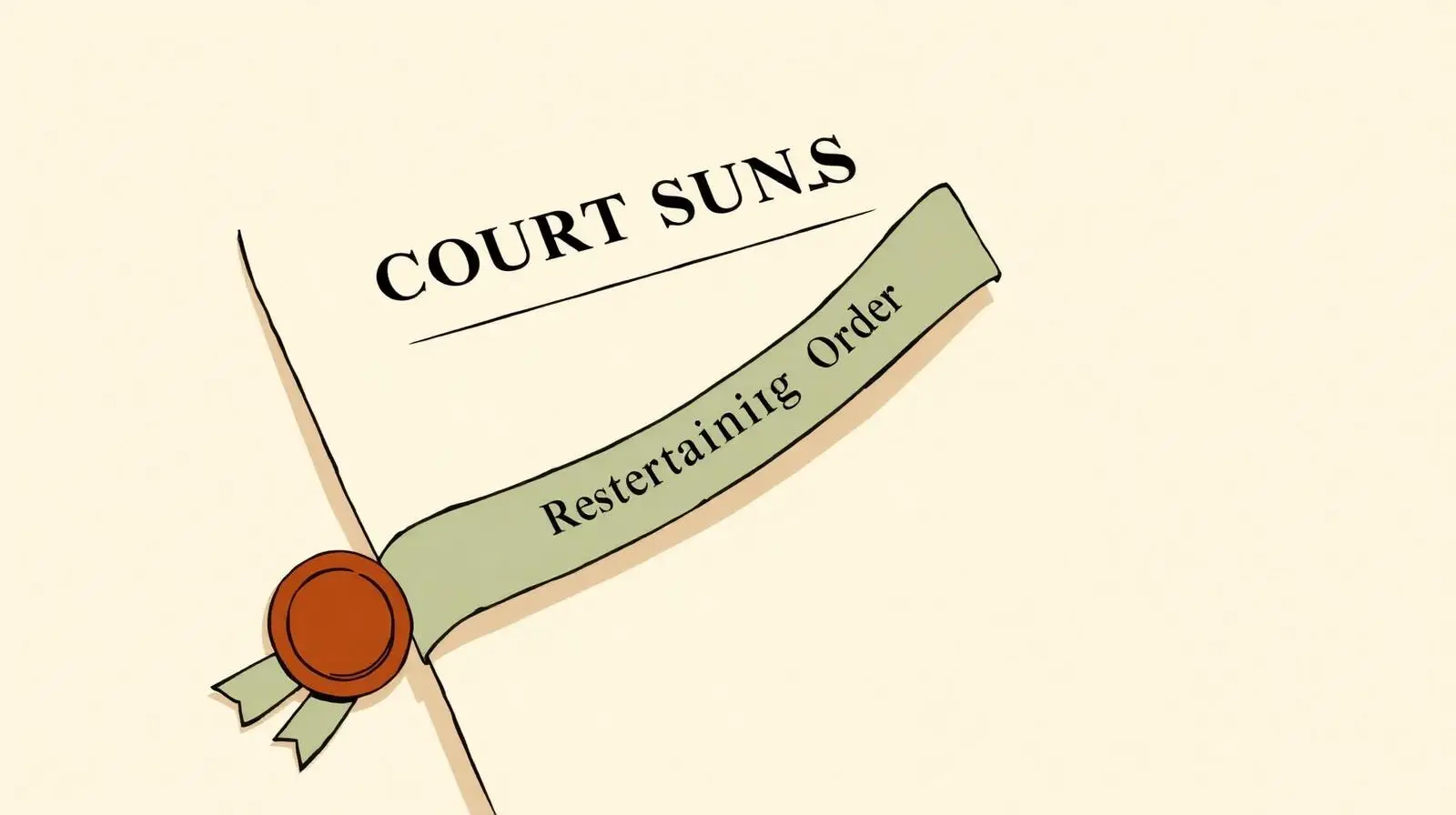
Form FL-110 (Summons) is a mandatory two-page form that officially notifies your spouse they are being sued for divorce. You only fill out the top half of page one with your names and the court address. The back of the form contains automatic restraining orders (ATROs) that instantly freeze both spouses' assets the moment the form is filed and served.
When you file for divorce in California, you cannot just hand your spouse the Petition and expect the court to take over. You must formally "summon" them to court. For the complete list of California divorce forms, see our master checklist.
Form FL-110 is the official Summons. It is a mandatory form that must be filed alongside your FL-100 Petition. While the form itself is incredibly easy to fill out, the legal power it carries is massive.
How to Fill Out Page 1
Page 1 of the FL-110 is simply a notification document. It tells your spouse that a lawsuit has been filed against them and that they have exactly 30 days to file a formal Response (Form FL-120). Filling it out takes less than two minutes:
- NOTICE TO RESPONDENT: Write your spouse's full legal name exactly as it appears on the FL-100 Petition.
- PETITIONER'S NAME IS: Write your full legal name.
- Case Number: Leave this blank. The court clerk will stamp your official case number here when you file the paperwork.
- Court Information: Write the name, street address, and mailing address of the specific county courthouse.
- Your Contact Information: Write your name, address, and phone number in the box at the bottom left.
Do not sign or date the form. The bottom right section is for the court clerk's signature and seal.
The Power of Page 2: The ATROs
Page 2 contains the Standard Family Law Restraining Orders, commonly known as ATROs (Automatic Temporary Restraining Orders). Under California Family Code Section 2040, these restraining orders go into effect automatically — the moment you file the FL-110 for the Petitioner, and the moment your spouse is served for the Respondent.
What the ATROs Prevent You From Doing
- Taking minor children out of state or applying for a new passport without your spouse's written consent or a court order.
- Canceling insurance: No cancel, transfer, or beneficiary changes on life, health, auto, or disability insurance covering your spouse or children.
- Hiding or transferring property: No selling, hiding, transferring, or borrowing against property, whether community or separate.
- Creating extraordinary debt: No new loans or large credit card balances except for necessities of life or to pay your divorce attorney.
What Happens if You Violate the ATROs?
The ATROs are binding court orders. Violating them is contempt of court — the judge can fine you, order you to pay your spouse's attorney fees, and in severe cases involving hidden assets, award 100% of the hidden asset to your spouse as a penalty.
If you legitimately need to sell a house or cash out a stock portfolio while the divorce is pending, you must get your spouse to sign a written agreement allowing it, or file a motion asking the judge for permission.
Ready to file? Start your California divorce packet and we'll prepare the FL-100 and FL-110 for you.
Frequently asked questions
Do I have to serve the FL-110 on my spouse?
Does the FL-110 mean my spouse has a restraining order against me?
What if my spouse ignores the Summons?
DivorceFastCA provides self-directed document preparation services at your specific direction. We are not a law firm and cannot provide legal advice. If you have complex assets, business interests, or a contested custody dispute, consult a licensed California family law attorney.