Forms & Paperwork
How to Serve Divorce Papers in California
Quick answer
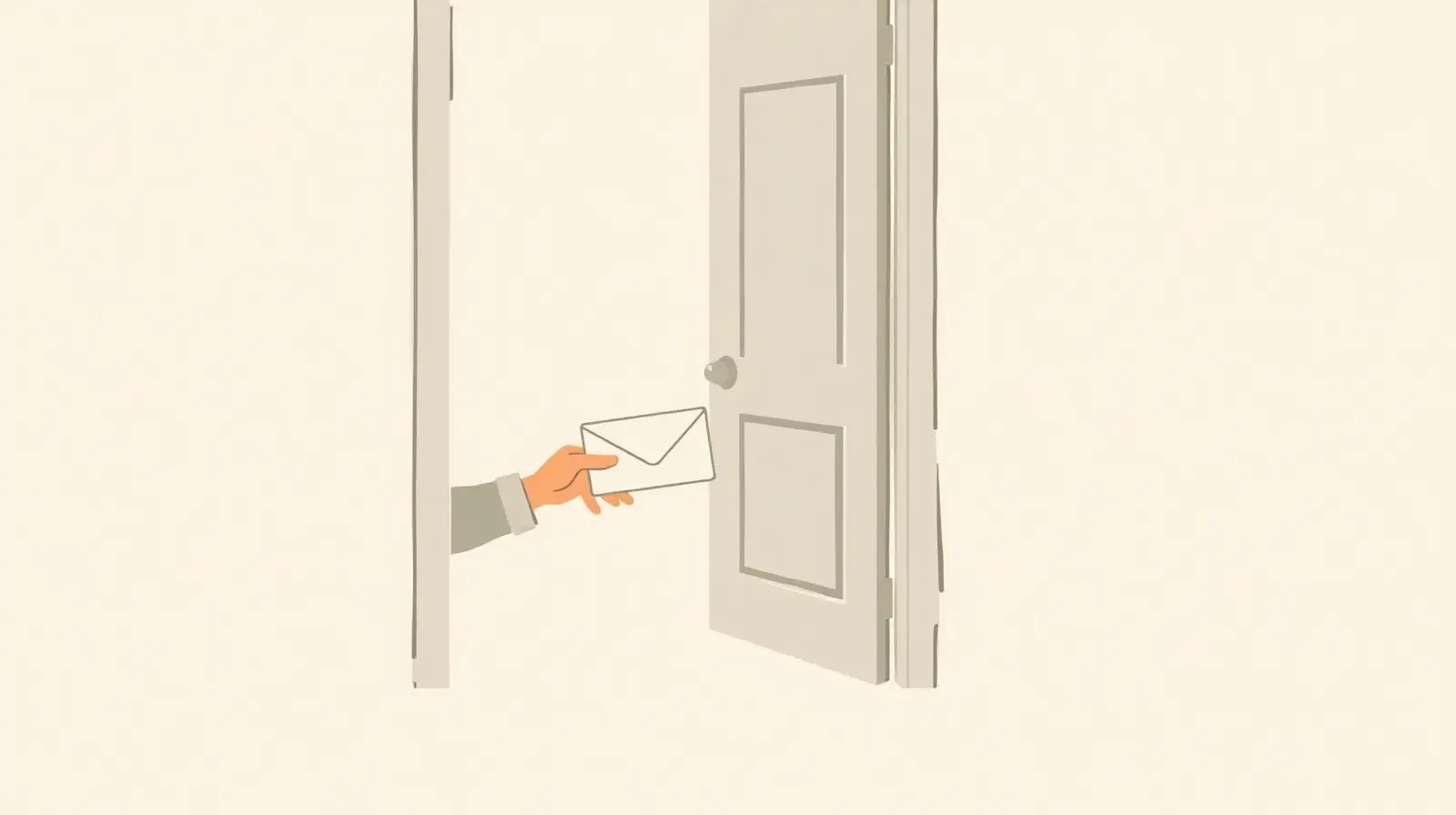
You cannot serve your own divorce papers. A third party over the age of 18 must hand the Petition and Summons directly to your spouse. Once the papers are handed over, the server must fill out and sign a Proof of Service (Form FL-115), which you must then file with the court to prove the delivery happened.
Serving divorce papers is the single most common stumbling block for people filing their own divorce in California. It sounds simple: just give the paperwork to your spouse. But the legal rules surrounding "Service of Process" are incredibly strict. For the complete list of California divorce forms and the full how to file for divorce in California process, see our master guides.
The Golden Rule: You Cannot Do It Yourself
Under California Code of Civil Procedure Section 414.10, a party to a lawsuit cannot serve the papers for that lawsuit. Because you are the Petitioner, you cannot hand the papers to your spouse. You cannot leave them on the kitchen counter. You cannot put them in the mail yourself.
You must use a "Server." A server must be:
- At least 18 years old.
- Not a party to the case (meaning not you, and ideally not your children).
Method 1: Personal Service (The Gold Standard)
Personal service is the most reliable method and the one courts prefer. Your server takes a copy of the filed Petition (FL-100), the FL-110 Summons, any other required forms (like the FL-105 if you have kids), and a blank Response form (FL-120). The server walks up to your spouse, confirms their identity, and physically hands them the papers.
What if they refuse to take them? The server can simply drop the papers at their feet. This "drop serve" is 100% legally valid in California.
Method 2: Service by Mail (Notice and Acknowledgment)
If you and your spouse are amicable, your server (not you) mails the paperwork along with two copies of Form FL-117 (Notice and Acknowledgment of Receipt). For this method to be valid, your spouse must sign the FL-117 and mail it back. If they ignore it, you have to hire someone to serve them in person.
Method 3: Substituted Service
If your server tries to personally serve your spouse multiple times at their home or work and cannot find them, California allows "substituted service." The server can leave the papers with a competent adult (over 18) at your spouse's home, or with a person apparently in charge at your spouse's workplace, and then mail a second copy to that same address. This is legally complex — hire a professional process server if you must use it.
The Final Step: Filing the Proof of Service
Immediately after serving the papers, your server must fill out and sign Proof of Service of Summons (FL-115). The server gives the signed FL-115 back to you, and you must file the FL-115 at the courthouse. Until the FL-115 is filed, the court has no idea your spouse was served, and your case cannot move forward.
Once service is complete, what happens after you serve the papers walks through every step that follows.
Need help getting served the right way? Start your California divorce packet and we'll include serving instructions tailored to your county.
Frequently asked questions
Who should I use as a server?
When does the 30-day clock start?
What if I don't know where my spouse lives?
DivorceFastCA provides self-directed document preparation services at your specific direction. We are not a law firm and cannot provide legal advice. If you have complex assets, business interests, or a contested custody dispute, consult a licensed California family law attorney.